


CONTENT WRITING
Introduction : Content writing is the strategic process of planning, creating, and editing digital or print material- such as blog, posts, articles, and social media copy – to inform, engage, and convert a specific audience.It involves research, SEO best practices, and adapting to brand voices to enhance visibility.
Key aspects of Content Writing :
- Purpose: The main goal is to educate, entertain, or drive action (sales/leads).
- Types of Content: Blog posts, articles, web copy, social media, newsletters, and eBooks.
- Process: Researching, outlining, drafting, and editing for clarity and SEO.
- Skills Needed: Strong writing abilities, SEO understanding, research skills, and time management.
- Opportunities: Remote, freelance, or in-house roles in marketing, communications, and digital media.
Here are the most important content writing frameworks every writer, marketer, or founder should know — whether you’re writing landing pages, emails, LinkedIn posts, ads, or blogs.
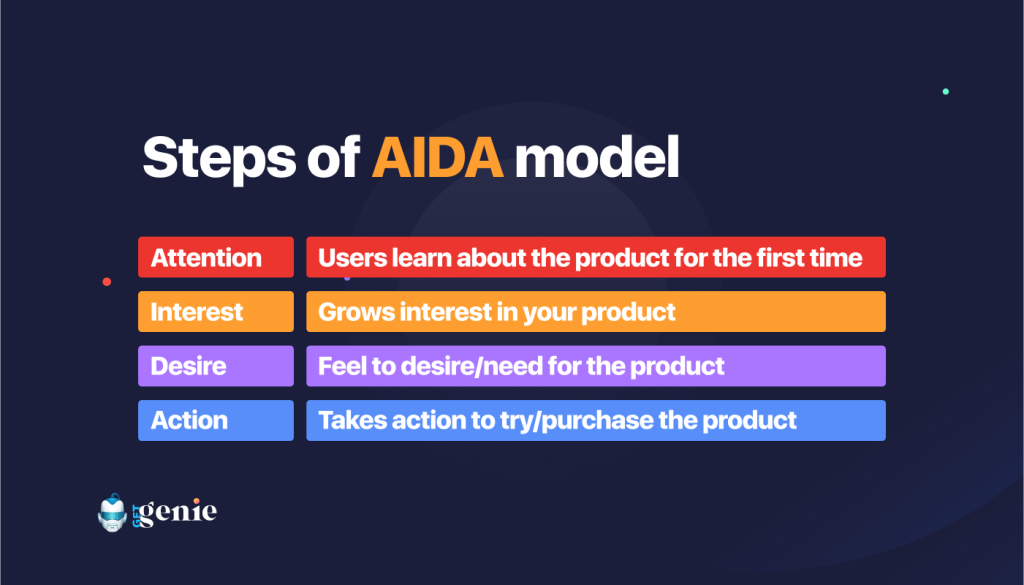
1) AIDA (Attention – Interest – Desire – Action)
AIDA is a classic, 4 stage persuasive formula-Attention, Interest, Desire, Action – designed to guide readers from initial awareness to taking a specific action. It captures attention via hooks, builds interest with benefits, creates desire through emotional connection, and concludes with a clear call- to- action.
Best for: Sales pages, ads, email marketing
Structure:
Attention – Hook them
Interest – Explain the problem
Desire – Show the benefit
Action – Tell them what to do next
Example:
Tired of low website traffic? (Attention)
Most businesses struggle because they don’t optimize SEO. (Interest)
Our proven strategy increases traffic by 150%. (Desire)
Book your free audit today. (Action)
Why it works: It mirrors the psychological buying journey.
2) PAS (Problem – Agitate – Solution)
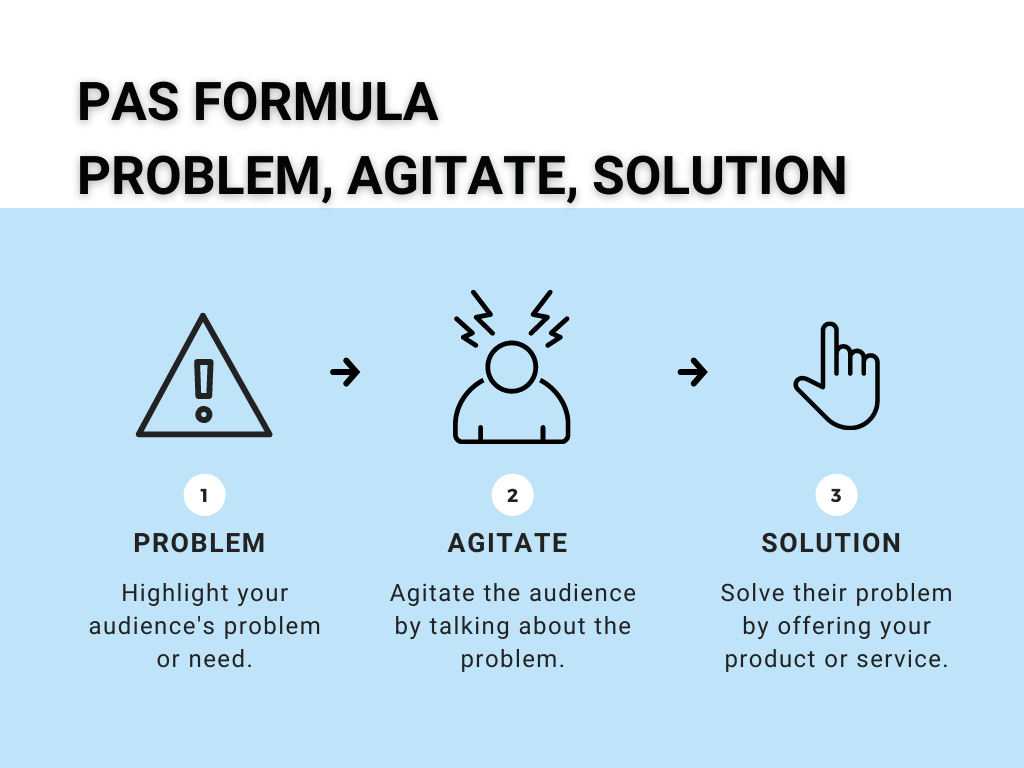
PAS is a highly effective, three-part copywriting formula used to create persuasive content by identifying a user’s problem, intensifying the associated emotional pain, and presenting your product or service as the ultimate solution. It increases engagement by focusing on pain points, making it ideal for landing pages, emails, ads, and social media.
Best for: Sales copy, social media, landing pages
Structure:
Problem – Identify the pain
Agitate – Make it emotionally real
Solution – Present your offer
Example:
You’re posting on LinkedIn but getting no engagement.
It feels frustrating watching others go viral while you get ignored.
Here’s a content strategy that fixes that in 30 days.
Why it works: Emotion drives action.
3) FOMO ( Fear Of Missing Out)
FOMO in content writing is a psychological marketing strategy that leverages urgency, scarcity, and social proof to prompt immediate action, such buying or subscribing. By highlighting limited-time offers, low stock or exclusive access, writers compel readers to act immediately to avoid missing a rewarding experience.
Why FOMO Works
FOMO works because it taps into:
Scarcity bias – We value things more when they’re limited.
Urgency – Deadlines push action.
Social proof – We don’t want to be left behind.
Exclusivity – People want what not everyone can have.
Example psychology: “Only 3 seats left” feels more compelling than “Seats available.”

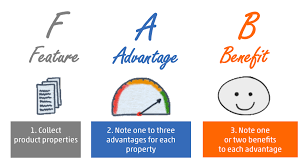
4) FAB (Features , Advantages, Benefits)
FAB is a LinkedIn copywriting formula used to create persuasive content by focusing on customer value rather than just product specs. It structures content by defining technical characteristics (Features), explaining how they work (Advantages), and highlighting the personal value or solution they provide to the user (Benefits).
Example : Product: Water Bottle
Feature: Stainless steel body
Advantage: Keeps drinks cold for 24 hours
Benefit: Enjoy refreshing cold water all day, even in summer.
Why FAB Is Powerful in Content Writing
Makes writing customer-focused
Turns boring specs into compelling selling points
Improves conversions
Creates emotional connection